BOOK 1 CHAPTER 2-6

In my opinion, this is the most significant quote in the story. It stood out to me the most because it indicates the reoccurring themes in the story -- manipulation, fear, confusion, etc. Saying that "War is Peace" creates unison among the people of Oceania over a common enemy. It creates chaos and pandemonium but the citizens are manipulated into thinking that war is okay. "Freedom is slavery" tricks people into thinking that being forced to do what one does not want to is freedom. This tactic is used to keep the people controlled and contained. This statement can trick the people into doing whatever they want. The phrase "Ignorance is strength" allows people to never question the law. The citizens are only given information that people in authority want them to know. The less they know the easier it is to manipulate them and keep them contained.
"He sat back in his chair, slightly ashamed of himself, and laid down his pen. The next moment he started violently. There was a knocking at his door." (pg. 20)
At this point of the story, I found it interesting that Winston felt compelled to write what he felt. I also found it interesting that he was very oblivious to his immediate environment or of his past occurrences. I actually felt bad for him in a way. He couldn't even remember what year it was. In order to even try to recollect the smallest of information, he wrote everything he could on a small piece of paper with the little time that he had without getting in trouble. Unfortunately for him, there is a cost to writing down thoughts and opinions. Knowing that the thought police knocked on his door immediately after he finished writing represents the world we are living in today. It shows that everything we say and do comes at a price. Although freedom of speech is something that is seen as useful and significant, I can't help to ask the question: Do we really have freedom of speech though? Winston's situation shows is very similar to circumstances that we are having today. For example, in some countries, mentioning the slightest negative thing about their government can get them put in jail or even killed.
"He sat back in his chair, slightly ashamed of himself, and laid down his pen. The next moment he started violently. There was a knocking at his door." (pg. 20)
At this point of the story, I found it interesting that Winston felt compelled to write what he felt. I also found it interesting that he was very oblivious to his immediate environment or of his past occurrences. I actually felt bad for him in a way. He couldn't even remember what year it was. In order to even try to recollect the smallest of information, he wrote everything he could on a small piece of paper with the little time that he had without getting in trouble. Unfortunately for him, there is a cost to writing down thoughts and opinions. Knowing that the thought police knocked on his door immediately after he finished writing represents the world we are living in today. It shows that everything we say and do comes at a price. Although freedom of speech is something that is seen as useful and significant, I can't help to ask the question: Do we really have freedom of speech though? Winston's situation shows is very similar to circumstances that we are having today. For example, in some countries, mentioning the slightest negative thing about their government can get them put in jail or even killed.
"The Ministry of Truth, which concerned itself with news, entertainment, education, and the fine arts. The Ministry of Peace, which concerned itself with war. The Ministry of Love, which maintained law and order. And the Ministry of Plenty, which was responsible for economic affairs. Their names, in Newspeak: Minitrue, Minipax, Miniluv, and Miniplenty." (pg. 8)
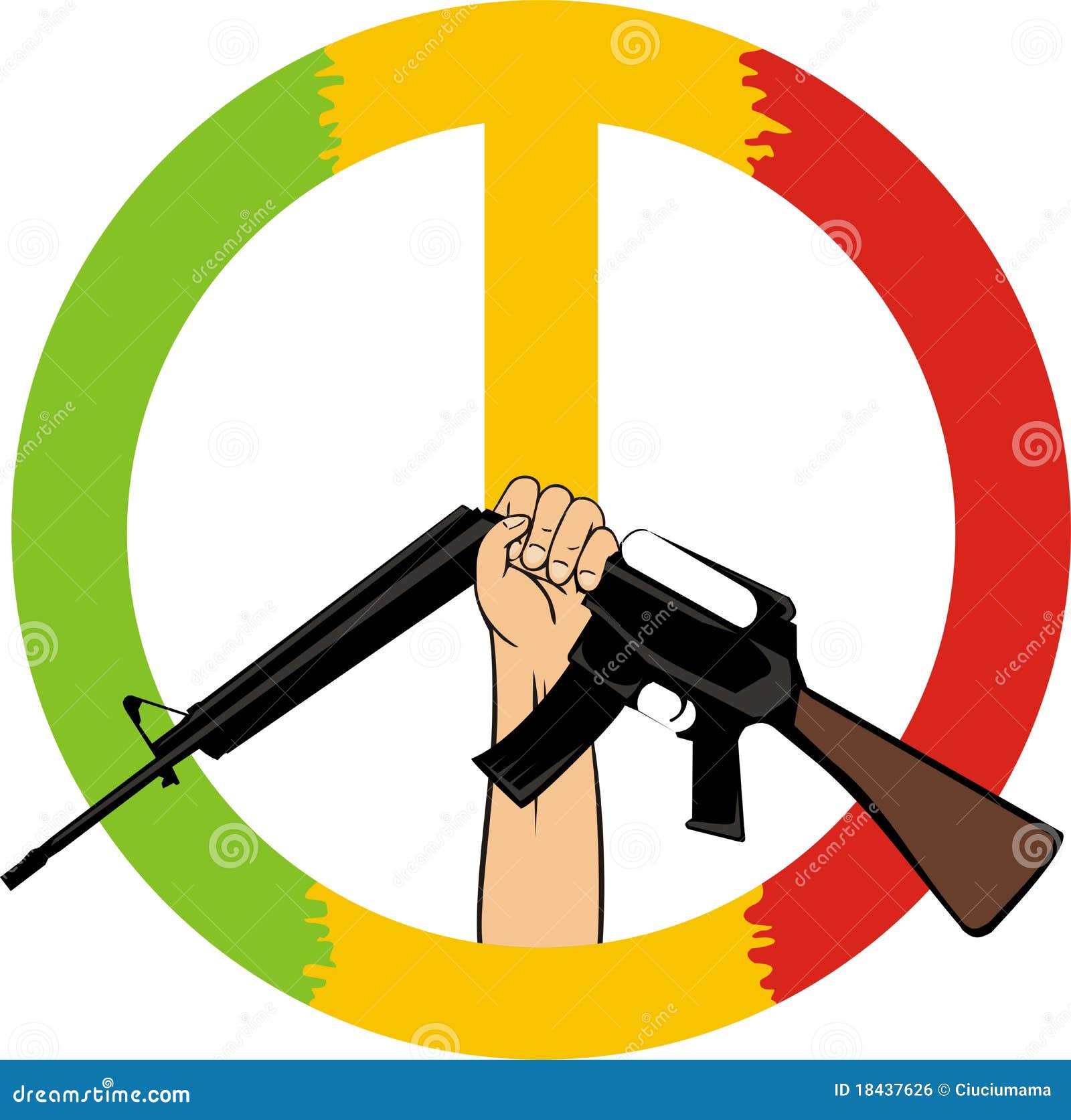 The names given to these Ministries are quite ironic. Their names contradict to what there actual functions are. For example, even though the Ministry of Truth deals with the media, they only share information that they want the public to know in order to keep them ignorant. Another example of the names contradicting with their functions would be that the Ministry of Peace is involved with war. The employees produce weapons of mass destruction, which is the opposite of what their names represent. In order to maintain peace in a society, war should try to be avoided. Although, other people would say that war is required to make a society move forward and grow. Either way, war is practically the opposite of peace.
The names given to these Ministries are quite ironic. Their names contradict to what there actual functions are. For example, even though the Ministry of Truth deals with the media, they only share information that they want the public to know in order to keep them ignorant. Another example of the names contradicting with their functions would be that the Ministry of Peace is involved with war. The employees produce weapons of mass destruction, which is the opposite of what their names represent. In order to maintain peace in a society, war should try to be avoided. Although, other people would say that war is required to make a society move forward and grow. Either way, war is practically the opposite of peace. 

I agree with how you said that the names for the Ministries are quite ironic. War is definitely the opposite of peace because when people fight they won't be at peace with each other. And to answer your question, I think that we do kind of have freedom of speech but we shouldn't say things that harm others
ReplyDeleteI like how in the first quote you pointed out that those are the recurring themes in the story. The best example is "Ignorance is Strength" which you used.
ReplyDelete